First flight
Discovery Flight
Meet an instructor and experience a first lesson at Willow Run.
Flight Training
Start with your first flight, work toward a new qualification, or explore a structured professional path. Valor trains under 14 CFR Part 61. FAA minimums are eligibility thresholds, not package inclusions or completion guarantees.
Start with your goal
Choose what brings you to aviation and see where to begin.
Choose your goal
Personal flying is a goal, not a separate certificate. Most people start with a discovery flight, then earn a private pilot certificate.
A structured plan that builds each certificate and rating in order, with professional habits at every stage.
Add the next qualification. We review your logbook and current qualifications during follow up.
Turn your experience into teaching. Instructor training builds on commercial level flying and instrument qualifications.
All training
First flight
Meet an instructor and experience a first lesson at Willow Run.
Certificate
Build the foundation for personal flying and further training.
Rating
Develop precision, procedures and decision making for instrument flight.
Certificate
Refine your flying to commercial standards.
Instructor
Learn to explain, demonstrate, assess and adapt, then teach the discipline of instrument flight.
Pathway
Progress from private pilot through CFI and CFII in one structured plan.
First flight
Experience the work behind the dream.
Meet an instructor, get to know the aircraft and experience an introductory lesson at Willow Run Airport.
Private Pilot
A foundation for every flight.
Learn to plan, prepare and fly with confidence. Private Pilot training develops the essential skills and judgment for personal flying and future ratings.
Instrument Rating
Precision when outside references are limited.
Strengthen your scan, planning and procedural discipline. Learn how to manage an IFR flight from clearance to approach.
Commercial Pilot
Fly with precision. Make decisions with purpose.
Develop the proficiency, planning and judgment expected at the commercial level. Build on your existing experience with focused training toward the airplane single engine land commercial certificate.
Instructor training
Turn your experience into teaching. Initial flight instructor training and the instrument instructor add on share this section, and each has its own requirements and request.
Flight Instructor
Learn to turn knowledge into understanding.
Develop the ability to explain, demonstrate, assess and adapt. Instructor training connects flying proficiency with effective teaching and professional responsibility.
Instrument Instructor
Teach the discipline of instrument flight.
Help pilots develop a systematic approach to instrument flying. Build your ability to teach procedures, diagnose errors and guide sound IFR decisions.
Professional Pilot Program
Train toward a professional future.
Bring your ambition into a structured training plan. Progress from foundational flying through advanced pilot and instructor qualifications, with preparation and professional habits at every stage.
How training works
Valor Flight Academy trains under 14 CFR Part 61, the FAA rules that set the eligibility, knowledge, experience and testing requirements for each pilot certificate and rating.
FAA minimums are eligibility thresholds, not package inclusions or completion guarantees. Your instructor tracks the requirements for your certificate or rating with you, and endorsements come when you demonstrate the required proficiency.
Read 14 CFR Part 61 on eCFR (opens in a new tab)What to expect
A simple inquiry, an honest review of where you are starting, and a plan you can see before you commit.
Send a request, call us, or schedule a discovery flight. Tell us about your goals and any flying experience.
We look at your goals, prior experience and logbook, and talk through age, medical and other eligibility requirements at the right stage.
Before you enroll, we explain your training plan in writing: what is included, what is not, and the third party fees to expect.
Lessons build in a clear order. Progress depends on preparation, scheduling, weather, aircraft availability and demonstrated readiness.
The path most new students follow toward a private pilot certificate.
Meet an instructor, see the airplane up close and fly with guidance. It is the easiest first step.
Aerodynamics, weather, navigation, regulations and aircraft systems, through study and ground lessons with your instructor.
Aircraft control, takeoffs and landings first, then navigation, emergency procedures and more advanced maneuvers.
When you meet the requirements and your instructor is confident in your skills, you receive the endorsement to fly solo.
The FAA knowledge test, then a practical test with an examiner: an oral exam and a flight. Your instructor prepares you and signs you off first.
Fly for your own goals, or continue toward instrument, commercial and instructor training.
Training investment
Your training investment depends on your starting point, your goals, your schedule and how you progress. We explain it individually, in writing, before you enroll.
Your explanation covers what is included and what is not, along with third party fees such as FAA knowledge tests, practical tests and medical exams.
Ask for program information, or book a free 30 minute video consultation at a time that suits you.
Questions
The questions we hear most, from first flight to career plans.
No. A discovery flight is designed for people with no flying experience. It is the easiest way to meet an instructor and see what training feels like.
Normally 16 to fly solo in an airplane and 17 for a private pilot certificate. Commercial pilot and flight instructor applicants must be at least 18.
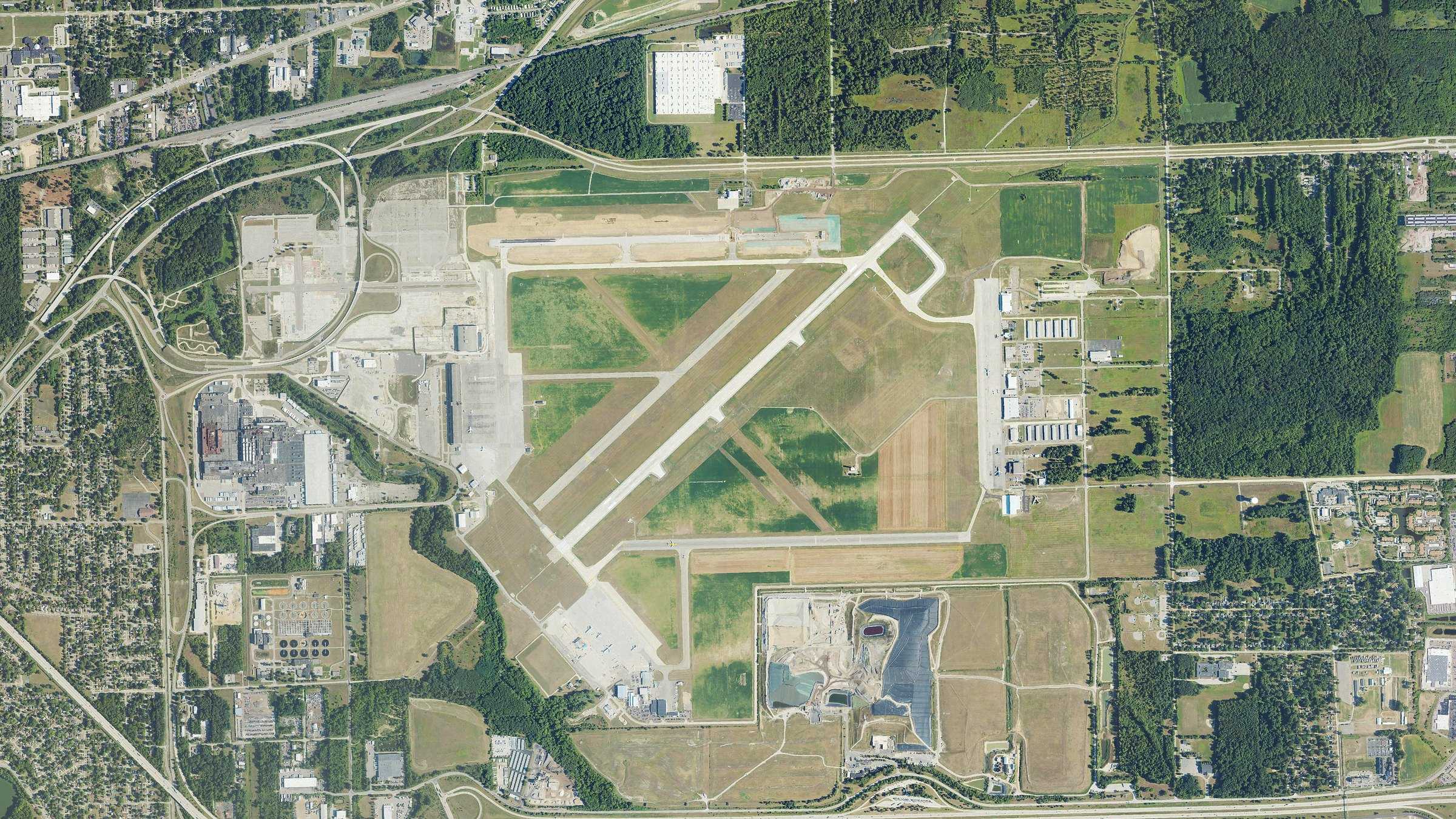
At Willow Run Airport (KYIP) in Belleville, Michigan, serving Metro Detroit.
Yes. Part 61 training can be scheduled around school or work. Regular lessons keep your skills fresh, so we help you plan a steady rhythm that fits your week.
Not for a dual discovery flight. Before solo flight, most new students obtain an FAA medical certificate, commonly third class. A second class medical is generally required for commercial pilot privileges. Medical requirements depend on the privileges you exercise, so talk with us about your situation before you commit.
A government issued photo ID and proof of U.S. citizenship, such as a U.S. passport, or a birth certificate together with a photo ID. The TSA requires flight schools to verify citizenship before flight training begins.
Non U.S. citizens must apply through the TSA Flight Training Security Program and receive approval before flight training begins. Contact us and we will walk you through the next steps.
It depends on your schedule, preparation, weather, aircraft availability and demonstrated readiness. We help you build a realistic plan around your availability. Completion time is not guaranteed.
Both are FAA training rules that lead to the same certificates and ratings. Part 61 allows a flexible syllabus and schedule built around each student. Part 141 schools follow an FAA approved curriculum with set stage checks, and some certificates have lower minimum hours there. Valor trains under Part 61.
Safety comes first. Lessons go ahead only when weather, aircraft status and instructor judgment allow, and your instructor works with you on a new time. Some days can still be used for ground lessons.
Yes. Cold, clear days often bring smooth air and good visibility. Lessons go ahead when weather and airport conditions allow.
Request information or book a free program consultation. Before you enroll, we explain your training plan and investment in writing, including what is included, what is not, and third party fees.
Valor does not offer or arrange loans. Some students use outside lenders, savings or scholarships. Ask us and we will explain how payment works for your plan before you enroll.
Not at this time. VA flight training benefits generally require an FAA Part 141 or Part 142 program approved for VA benefits, and Valor trains under Part 61.
Airline pilots need an airline transport pilot (ATP) certificate, which generally requires 1,500 hours of flight time. Some military pilots and graduates of approved degree programs can qualify for a restricted ATP with fewer hours.
Many new professional pilots become flight instructors and build experience while they teach. Work opportunities depend on qualifications, openings and hiring decisions.
Regulatory information is summarized for planning and is not a complete syllabus. Requirements can change; your instructor confirms the current rules for your route.
Your next step
Tell us where you want aviation to take you. We'll help you understand the training, commitment and next steps.